E-2 Case Study: Canadian Investor Acquires a U.S. Gas Station Using Seller Financing
+Canada+
+Investor / Business Owner+
+E-2 Treaty Investor Visa+
Client Profile
Our client, a Canadian citizen, wanted to enter the U.S. market through the E-2 visa by purchasing an operating business rather than starting from zero. The priority was to find a business that could support a credible E-2 plan and could be transferred with clean documentation.
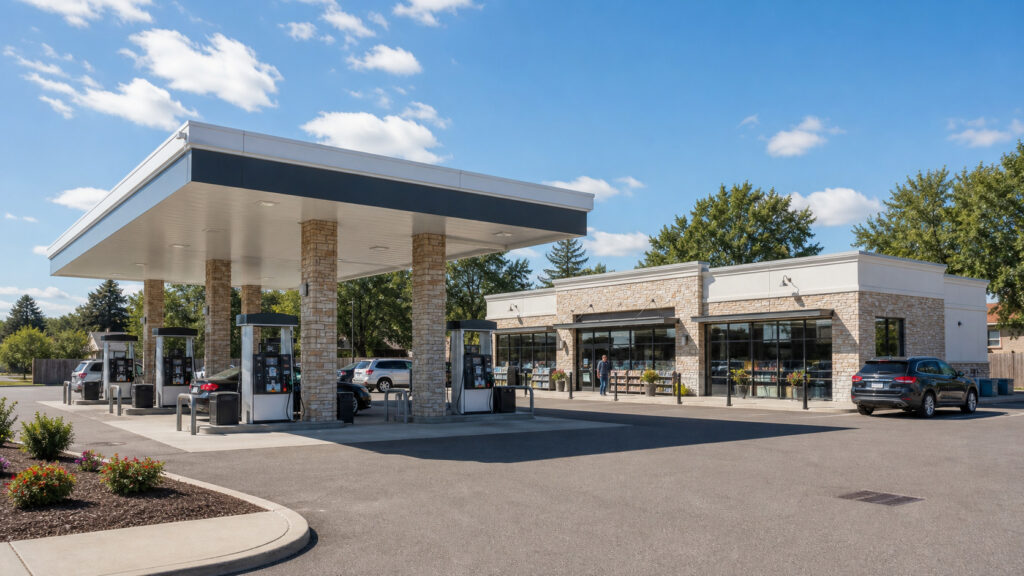
The opportunity ended up being a gas station/convenience business in a rural area in a northern U.S. state, purchased for approximately $350,000, including the real estate.
The Challenge
For many investors, the biggest practical issue is how to structure a purchase so the investor can commit a meaningful amount of capital without needing to pay the entire price up front.
In this case, the client wanted an arrangement that would (1) make financial sense, (2) still qualify under the E-2 requirements for a real operating business.
The Approach
The case was built around three practical strengths:
1) Buying an existing operating business
Instead of launching a brand-new venture, the client acquired a business with an operating history, cash flow, and inventory—elements that generally make an E-2 business case easier to explain and support with records.
2) Negotiating seller financing (lease-to-own structure)
The purchase was structured with seller financing, with the balance paid over roughly ten years. The client paid an initial deposit in the range of about $100,000, and the remainder was set up under a lease-to-own style arrangement tied to the seller note.
This approach allowed the client to commit substantial funds while keeping the deal realistic.
3) Planning for management flexibility
There is no obligation to live next door to the business. Depending on the business model and operational staffing, an investor may be able to manage with some geographic flexibility (while still maintaining proper oversight and meeting E-2 requirements).
The Result
The client was able to acquire an existing business through a creative financing structure which allowed him to acquire a larger business with greater cash flow than he could have otherwise afforded. The business met all the E-2 requirements, and the investor and his family were able to comfortably transition to the U.S. and start their new lives here.
Looking Forward
With the business acquired, the client’s next focus is operations: stabilizing day-to-day performance, managing staffing and compliance, and staying aligned with E-2 expectations as the investment continues to be paid down over time.
Key takeaway: You do not always need to pay the full purchase price at closing to build a strong E-2 plan—if the transaction is structured correctly and the business is real, operating, and well-documented.
Ask A Business Immigration Lawyer

Start your new future in the U.S. now!

Miami Office
AmLaw Group
1920 E Hallandale Beach Blvd Suite 709 Hallandale Beach, FL 33009

Copyright 2026 AmLaw Group - All Rights Reserved | Powered by Advantage Attorney Marketing & Cloud Solutions