
Canada (Ontario) Animal breeding / specialty pets E-2 Treaty Investor Visa (company-owned structure) Client Profile A Canadian business owner in Ontario operate...
E-2 Case Study: Canadian Dog Breeding Business Opens a U.S. Facility Through an “Essential Employee First” Strategy
Canada (Ontario)
Animal breeding / specialty pets
E-2 Treaty Investor Visa (company-owned structure)
Client Profile
A Canadian business owner in Ontario operated a highly successful dog breeding business with strong demand from U.S. buyers. She had built a recognized brand around a distinctive breed and, like many Canadian entrepreneurs, relied heavily on U.S.-based customers for a core part of revenue and growth.
The Situation
A change in U.S. import conditions created a real operational obstacle for the business. The client had historically delivered puppies to U.S. customers, but new restrictions made that process far more difficult—particularly for younger dogs. As a result, the client needed a practical way to serve American clients without depending on cross-border transportation of puppies.
The Goal
The client’s objective was not simply “getting a visa.” She needed a workable business solution:
- Establish a U.S. presence to serve American clients more reliably
- Keep operations close to the Canadian border for logistical reasons
- Staff the new U.S. facility with trusted personnel from her existing team
The Plan
The client decided to develop a U.S. facility and purchased property in upstate New York, chosen specifically for its proximity to the Canadian border while still being located in the United States.
What made this case different is how the E-2 ownership structure was set up.
Key Strategy: Canadian Company Owns the U.S. Company
In many E-2 matters, the individual investor is the first applicant and must obtain an E-2 visa before employees can apply. In this case, the client structured the investment so the
Canadian company owned the U.S. company (with Canadian ownership shown at the parent-company level).
That structure created a major operational advantage: the owner did not need to be the first E-2 applicant. Instead, the business could send key staff to the U.S. first to launch operations without the individual owner getting an E-2.
“Essential Employee First” E-2
With the company-owned structure in place, we prepared the first E-2 filing for an essential employee who would help establish and run the new U.S. operation during the launch phase.
A practical benefit of this approach is that the first E-2 employee case can also serve another purpose: registering the U.S. company for E-2 processing at the consulate. Once that registration is in place, future E-2 applications tied to the same company (whether for the owner later or for additional essential employees) are typically easier to submit and faster to get approved.
Why This Approach Worked
This case is a good example of how E-2 planning can follow business realities rather than forcing a one-size-fits-all sequence.
What the structure accomplished:
- Allowed the client to move operations to the U.S. to address cross-border delivery issues
- Kept the launch close to Canada through a border-adjacent New York location
- Enabled the business to send a key employee first, rather than requiring the owner to be the first applicant
- Set the groundwork for later E-2 filings after the company’s consular registration was established
Takeaway
For Canadian owners with an established business, an E-2 can be structured at the company level so that the business can place the right person on the ground first. That can be especially helpful when the immediate need is operational continuity—launching a U.S. facility, training staff, and serving U.S. customers—while keeping longer-term planning options open for the principal investor.
Ask A Business Immigration Lawyer

Start your new future in the U.S. now!
Related Posts
How to Choose the Right Franchise Business Under an E-2 Visa: 5 Key Metrics to Evaluate
Franchise selection is a crucial stage in your journey to the U.S. under an E-2 visa. The wrong business decision can slow down your visa process and influenc...
How to Prove Extraordinary Ability for EB-1A
One of the most powerful options for acquiring permanent residency is the EB-1A category. It is designed for individuals whose achievements place them at the ve...

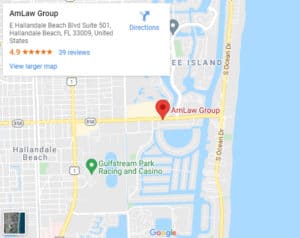
Miami Office
Address
AmLaw Group
1920 E Hallandale Beach Blvd Suite 709 Hallandale Beach, FL 33009
Phone
Dreaming of Living in the U.S.? Our Business Immigration Attorneys Can Help!
Copyright 2026 AmLaw Group - All Rights Reserved | Powered by Advantage Attorney Marketing & Cloud Solutions